Buying
Will Land Increase in Value? 6 Signs to Check Before You Buy
October 7, 2026·3 min read·Ilé
A Good Location Is More Than a Pin on a Map
When people talk about land increasing in value, they often focus on location. But “good location” can mean different things.
A plot may be in a promising part of town, yet still be difficult to reach or far from the places people need to go. Another area may feel quiet today but have signs of steady development.
No one can predict exactly how a property’s value will change. But you can ask better questions about what makes an area useful, accessible and appealing to future buyers or residents.
Here are six signs to consider.
1. Can People Get There Easily?
Accessibility can shape how attractive an area is to people who want to live, work or invest there.
Look at the route to the property and consider how it connects to established parts of town. Is there a usable access road? How does the journey feel at different times of day? Are there practical transport options?
A location that is difficult to reach may take longer to attract residents and businesses. Visit in person where possible, and check the route for yourself rather than relying only on a map or sales description.
Is Development Happening Nearby?
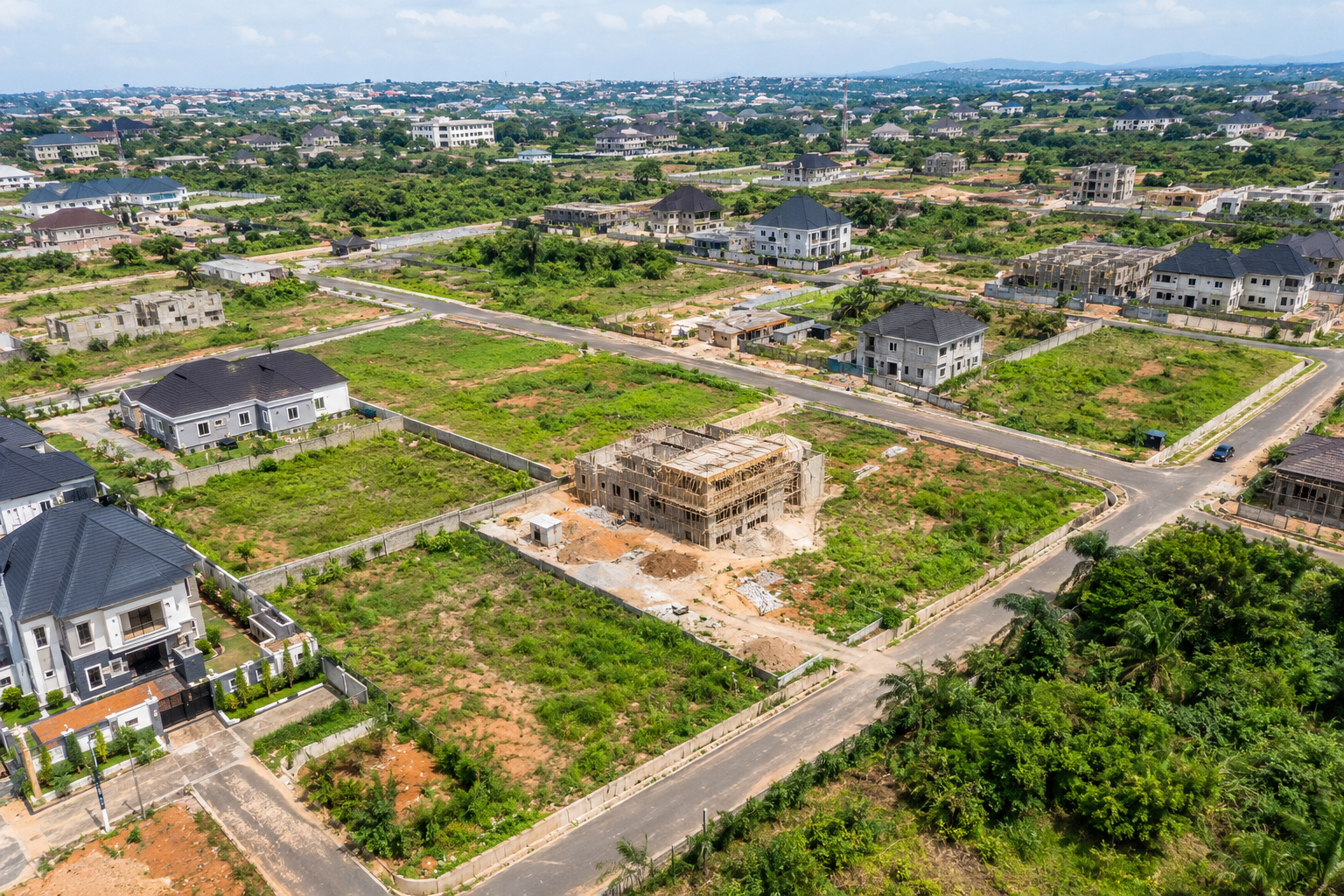
New buildings, occupied homes, shops and ongoing construction can show that people are already choosing the area.
Look for development that is actually visible on the ground. Ask how long it has been happening and whether it appears steady. A single construction project can be encouraging, but a wider pattern may give you more to investigate.
Development is a useful signal, not a guarantee of future value. Consider what is there now and what can be independently confirmed.
3. Are Everyday Services Within Reach?
People often choose places based on how easily they can reach work, schools, healthcare, shopping and other daily needs.
Think about who might want to live in or use the area in the future. What would make daily life convenient for them? Are key services already nearby, or are they only part of a proposed plan?
The answer can help you understand the area’s appeal beyond the plot itself.
Is There Real Demand for the Area?
An area can look promising and still have limited demand. Try to understand who is buying or moving there, and why.
You might speak with residents, local businesses and property professionals who know the area. Ask what is attracting people and whether homes or plots are being occupied, resold or developed.
Be careful with claims about guaranteed returns or rapid price increases. Ask what those claims are based on and look for information you can verify.
Does the Property Fit Its Intended Use?
A plot’s potential depends partly on what you want to do with it. Land that suits one purpose may not suit another.
Consider the area’s character, the plot’s size and shape, access, surrounding development and any restrictions or conditions that may affect how the property can be used. Confirm relevant details through appropriate independent checks before making a decision.
A promising location is only useful if the specific property fits your plans.
6. Can You Verify the Details and the Seller?
Future potential cannot make up for uncertainty about what is being sold. Before committing, verify the property details, the seller’s authority to sell and the documents available for review.
Get independent professional advice on the checks needed for that particular property and location. Keep a clear record of the terms, payments and documents you receive.
Taking time to confirm the details can help you make a more informed decision and understand what you are buying.
Think About the Area’s Future, but Check Its Present
A place’s potential is shaped by practical factors: how people reach it, what is being built nearby, what residents need and whether there is genuine demand.
No single sign can tell you what a property will be worth in five years. Look at several factors together, visit the area, ask questions and verify the information before you decide.
At Ilé, we believe a property decision should begin with a clear understanding of the location and the opportunity.